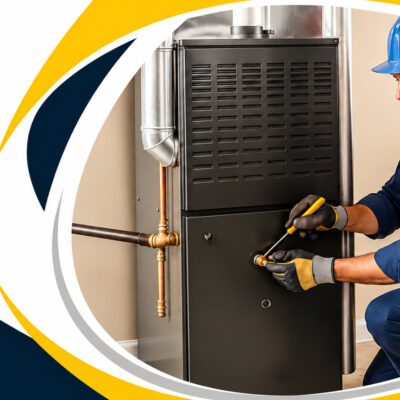

Why is Having a Water Softener Important for Your Home?
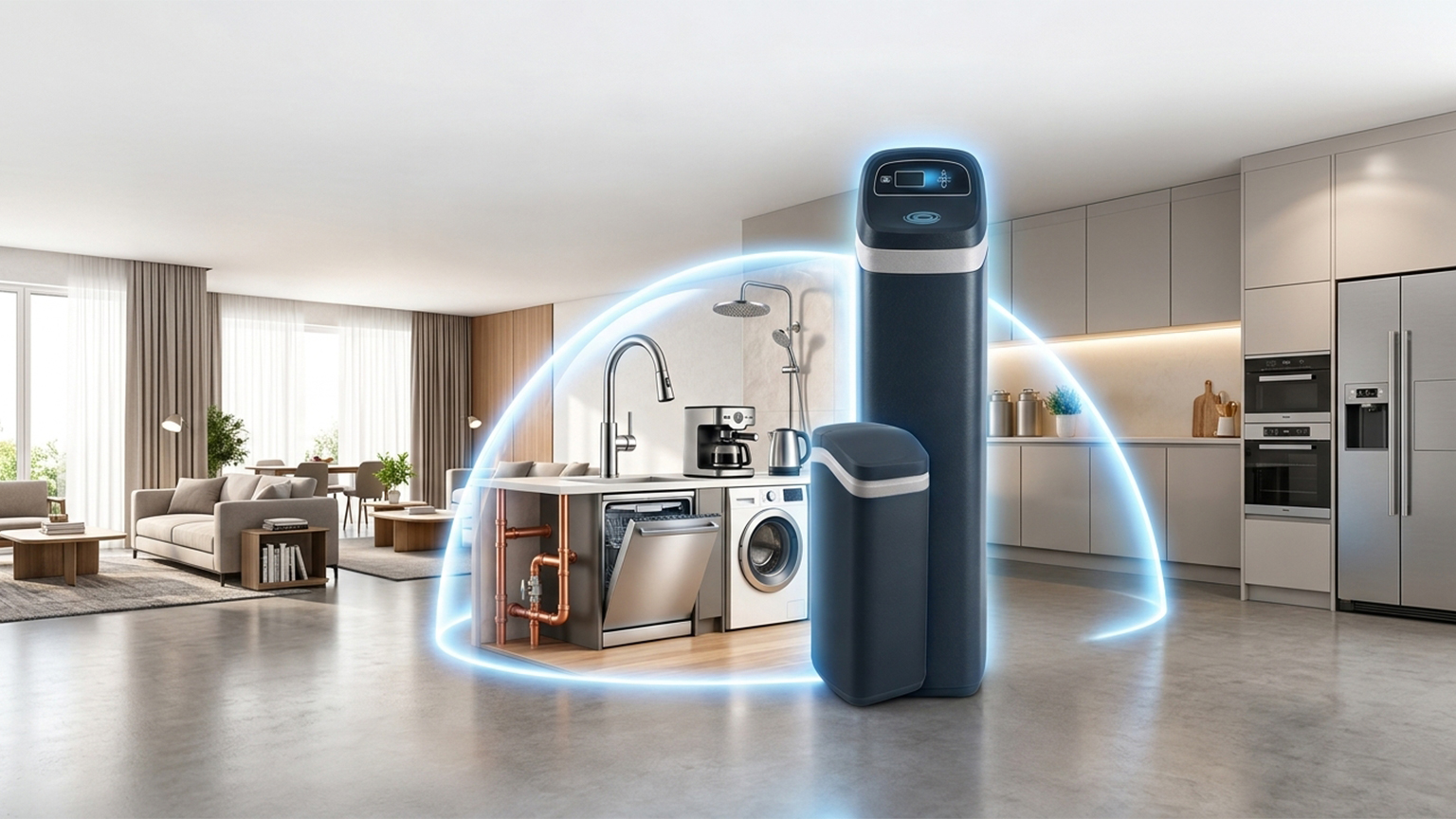
Hard water is a problem. A water softener is no frivolous device. It is a practical necessity for many homes that helps to safeguard one of your largest investments – your home.
The Hidden Problem in Plain Sight
Hard water is just water containing a high concentration of calcium and magnesium. These minerals are not poisonous to drink; however, they are extremely destructive within the home. Hard water deposits a scale in pipes and appliances as it goes through them.
This can gradually accumulate, sometimes over a number of years, and most house owners are not aware of the damage until a component breaks. A water softener is used to prevent the mineral build-up from causing problems by replacing them with ions of sodium or potassium that do not cause scale.
Protecting Your Plumbing System from the Inside Out
Your home’s plumbing is all of the pipes in your home that are concealed behind walls and under the flooring. Replacing it can cost several thousands of dollars. The inside diameter of those pipes begins to get smaller over time and is caused by deposits from hard water, similar to what can happen when cholesterol deposits in the arteries.
The pressure in the water runs low and your plumbing system becomes more stressed. A water softener will never allow this internal corrosion to begin, which will make your pipes last for decades longer than they would without a water softener.
Extending the Life of Your Major Appliances
The water-using appliances are particularly susceptible to hard water damage. Your water heater is an example of one of the costliest. As the minerals start to accrete on the heat elements or at the bottom of the tank, the stuck layer becomes an insulator.
As the heater has to operate longer and more intensely in order to heat your water, it will consume more energy and reduce the life of the unit. A water heater will fail in 5-7 years earlier than a softener water heater.
A water softener will save money over time due to reduced utility bills. This insulating layer of scale within your water heater makes the water heater require even more energy. Scale can cause water heating expenses to rise by as much as twelve percent for just one-eighth of an inch of scale.
This can be real money on an annual basis. With less demand for plumbers’ services, less need for appliance repairs, and fewer replacement cycles, the economics of a softener become readily apparent.
Saving Money on Energy Bills and Repairs
Hard water is not a pleasant experience; if you have ever scrubbed soap scum off the glass of a shower door, you understand its frustrations. The minerals combine with soap to create a gray film which is very difficult to remove. Cloudy and spotted dishes out of dishwasher. Sinks and faucets get that white stuff that will not go away after scrubbing.
Transforming Your Daily Cleaning Routine
A water softener corrects all this. Soap lathers easily and rinses off in soft water. Dishes dry spotless. Glassware sparkles.
Hard water is more of a problem than just in the house. It takes action on your body. The mineral residue that causes the scale to build up in the pipes deposits a film of minerals on your skin and hair after each shower. This film blocks pores, holds bacteria and blocks natural oils from functioning effectively. Sweating, itchy skin or a scalp, eczema, or skin conditions that are dry and flaky are instances where many people experience dramatic results within a few weeks after switching to soft water.
Improving Your Skin, Hair, and Laundry
Hard water does not just affect your home. It affects your body. The same mineral residue that forms scale on pipes also leaves a film on your skin and hair after every shower. This film clogs pores, traps bacteria, and prevents natural oils from doing their job. Many people who struggle with persistent dry skin, eczema, or itchy scalps find dramatic relief within weeks of switching to soft water.
For hair, hard water makes it feel straw like and dull. Color treated hair fades faster because the minerals strip away dye. Soft water allows shampoo to rinse out completely, leaving hair softer, shinier, and more manageable. Laundry benefits just as much. Clothes washed in hard water feel stiff and scratchy, and whites turn gray over time. Soft water keeps fabrics fluffy, bright, and comfortable against the skin.
Preventing the Slow damage You Cannot See
Hard water causes clothes to become stiff and scratchy and causes whites to fade over time. Soft water makes fabrics fluffy, bright and comfortable to wear.
Water softeners can have some of the most noticeable benefits that are yet so invisible. Sediment forms within your faucet cartridges and shower valves and leads to drips and leaks that result in water loss. It builds up on the insides of the toilet and causes the toilet to run all the time, increasing your water bills. It can plug the super small holes in dishwasher spray arms, washing machine inlet screens. When you see problems, it is too late.
The Bottom Line for Your Home
All these problems are avoided by a silent operation of a water softening system. You might not notice that you never had a scale to see or repair, but your wallet will. Hard water does not warn you that there will be damage to come. It just eats away at your house and slowly breaks it down. A water softener slows it down and puts you back in charge.
Other Articles